


Why KYC and AML Are Important for Safe Crypto Trading
2025-12-08 14:27:51
KYC and AML: Importance in Crypto Trading
How KYC and AML Work on BitNasdaq
Why KYC and AML Matter to BitNasdaq
Frequently Asked Questions (FAQs)
Decentralization and transparency have been the core of blockchain technology since its advent. As the crypto market matures beyond the niche asset class and into the mainstream financial system, regulatory compliance has become imperative. Global standards like Know Your Customer (KYC) and Anti-Money Laundering (AML) compliance are two crucial pillars of this financial ecosystem that not only protect users but also stabilize markets and enable legitimate exchanges worldwide.
KYC and AML are no longer optional today, and BitNasdaq, the best cryptocurrency exchange platform, has built long-term trust with these standards as a core part of its security system.
What is KYC
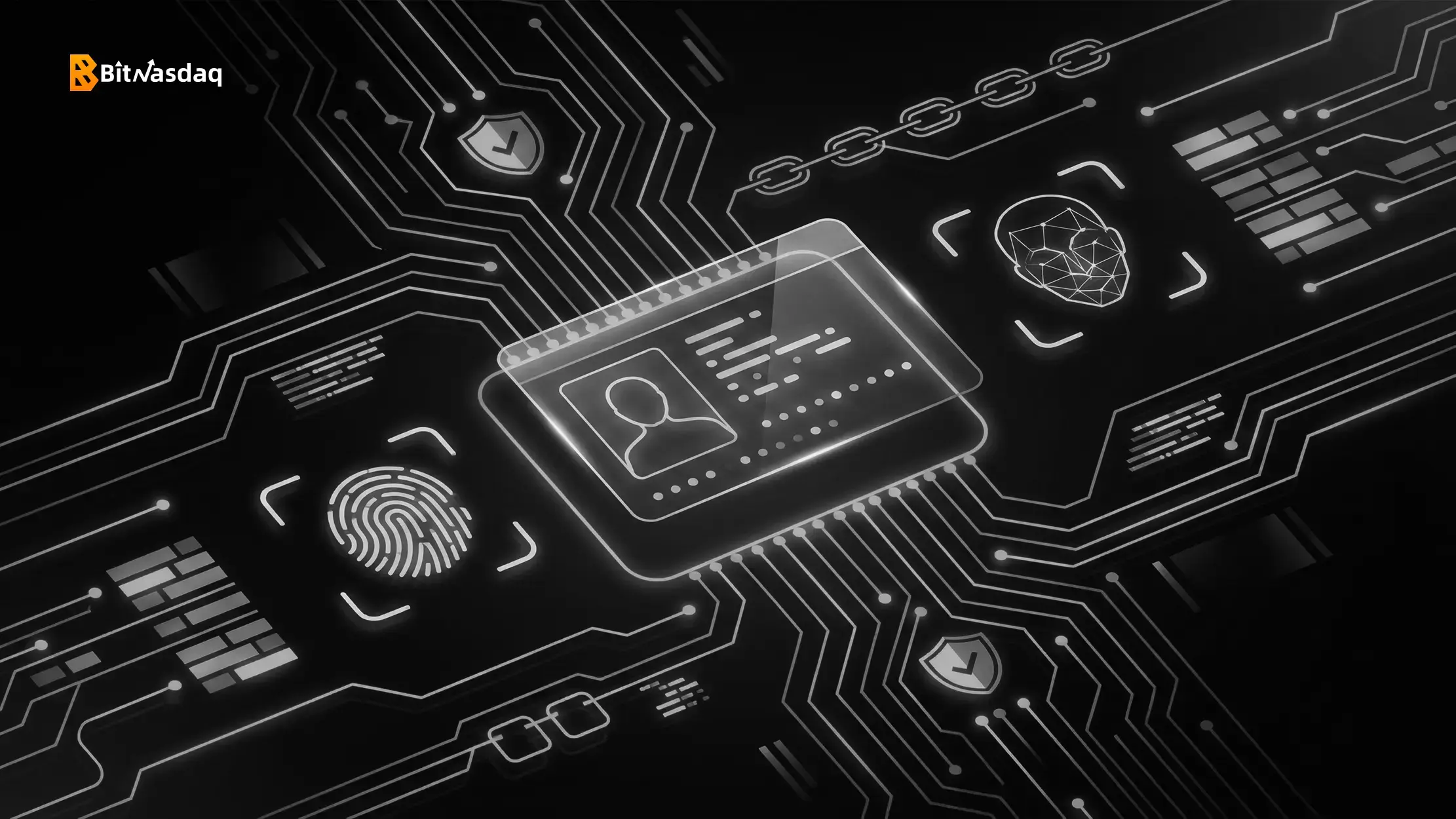
Know Your Customer (KYC) is basically an identity verification step that crypto exchanges perform before granting complete account privileges to their users. The basic goal of KYC is to verify if the user is legitimate to avoid fraud, impersonation, and criminal activities. It usually involves the submission of the following:
Government issued IDs
Proof of Address
Facial or Biometric Verification
Basic personal information
What is AML
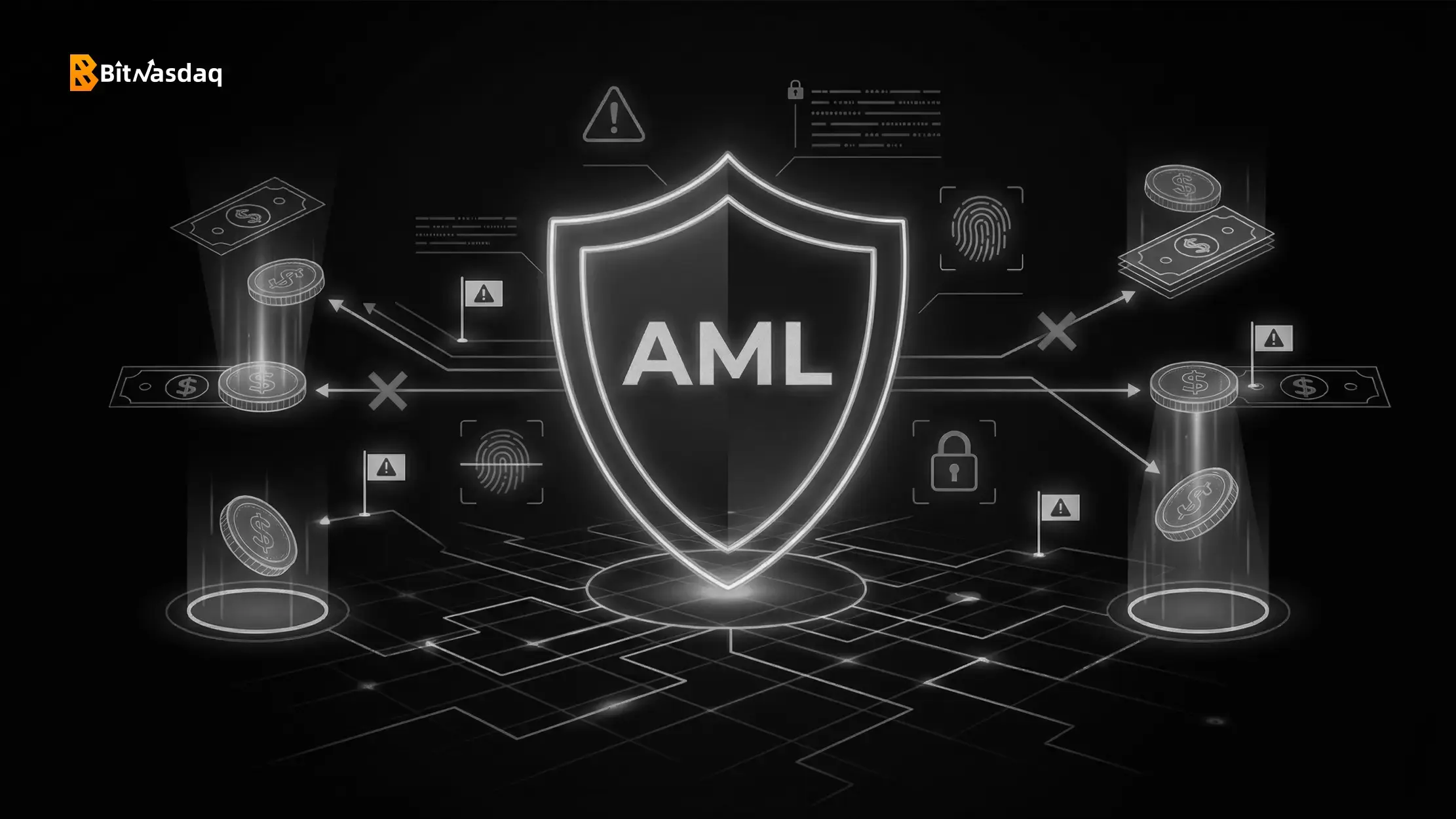
Anti-Money Laundering (AML) refers to a regulatory framework of policies and monitoring tools designed with a goal to prevent money laundering, fraud, terror financing, and other illegitimate activities in crypto. AML performs the following:
Monitors Usual Transaction Patterns
Screening User Sanction Lists
Reporting Suspicious Behavior
Detecting High-Risk Accounts
Blocking illegitimate funds
KYC and AML: Importance in Crypto Trading
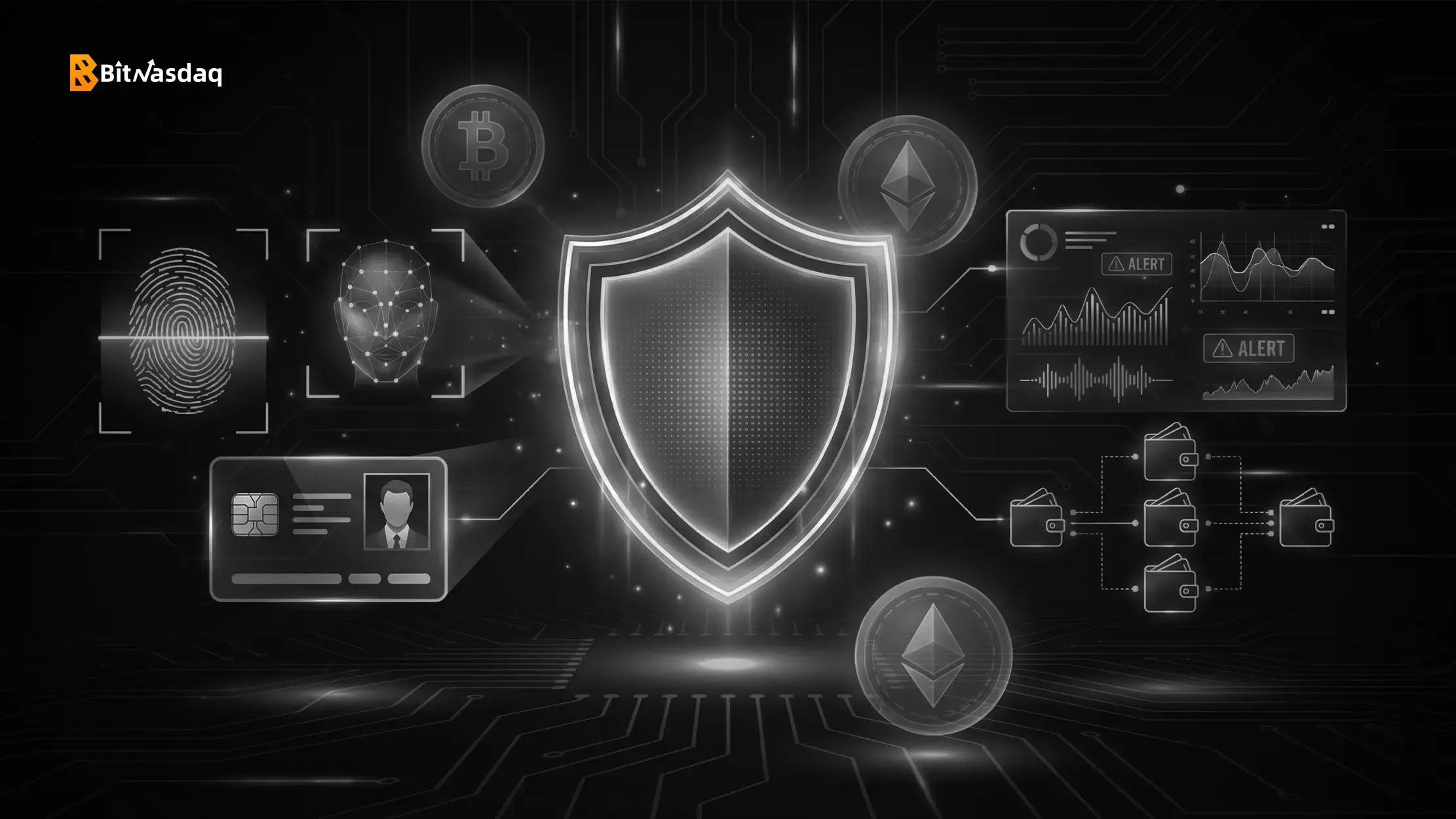
Prevention of Identity Theft and Fraud
Impersonation, stolen identities, and documents are some of the serious threats in crypto. Shell accounts can be used for illegitimate activities, scams, and frauds, which is why KYC protects users with identity verifications, while AML does screening and monitoring of suspicious activities and unusual transactions, etc.
Building Trust and Credibility with Transparency
Crypto has a reputation for anonymity, which made investing intimidating for many. KYC verification and AML compliance make the exchanges secure and transparent, reducing the risk of anonymous manipulation, also building credibility with payment systems and traditional banks.
Improved Customer Support and Account Recovery
KYC verification also makes it easier to recover the account if the user is locked out or faces any security issues. It also helps improve customer support for resolving issues immediately without requiring long documentation, effectively.
Prevention of Illegitimate Market Activities and Abuse
Cryptocurrencies can become havens for those seeking money laundering, terror financing, or illegal cash flows. Strong KYC and AML not only protect the exchange and users but also prevent the crypto ecosystem from becoming a gateway to illegitimate activities.
Fewer Legal Risks
Crypto exchanges that meet global compliance standards, enforce KYC/AML, and maintain proper records face fewer legal risks and operate sustainably. Non-compliance can lead to heavy fines, sanctions, or shutdowns, directly impacting investors' funds.
Protect Reputation and Stabilize Market
Exchanges with strong KYC and AML procedures face fewer risks of fines, shutdowns, or frozen assets, thereby protecting their reputations. Markets become stable, encouraging broader acceptance worldwide.
How KYC and AML Work on BitNasdaq
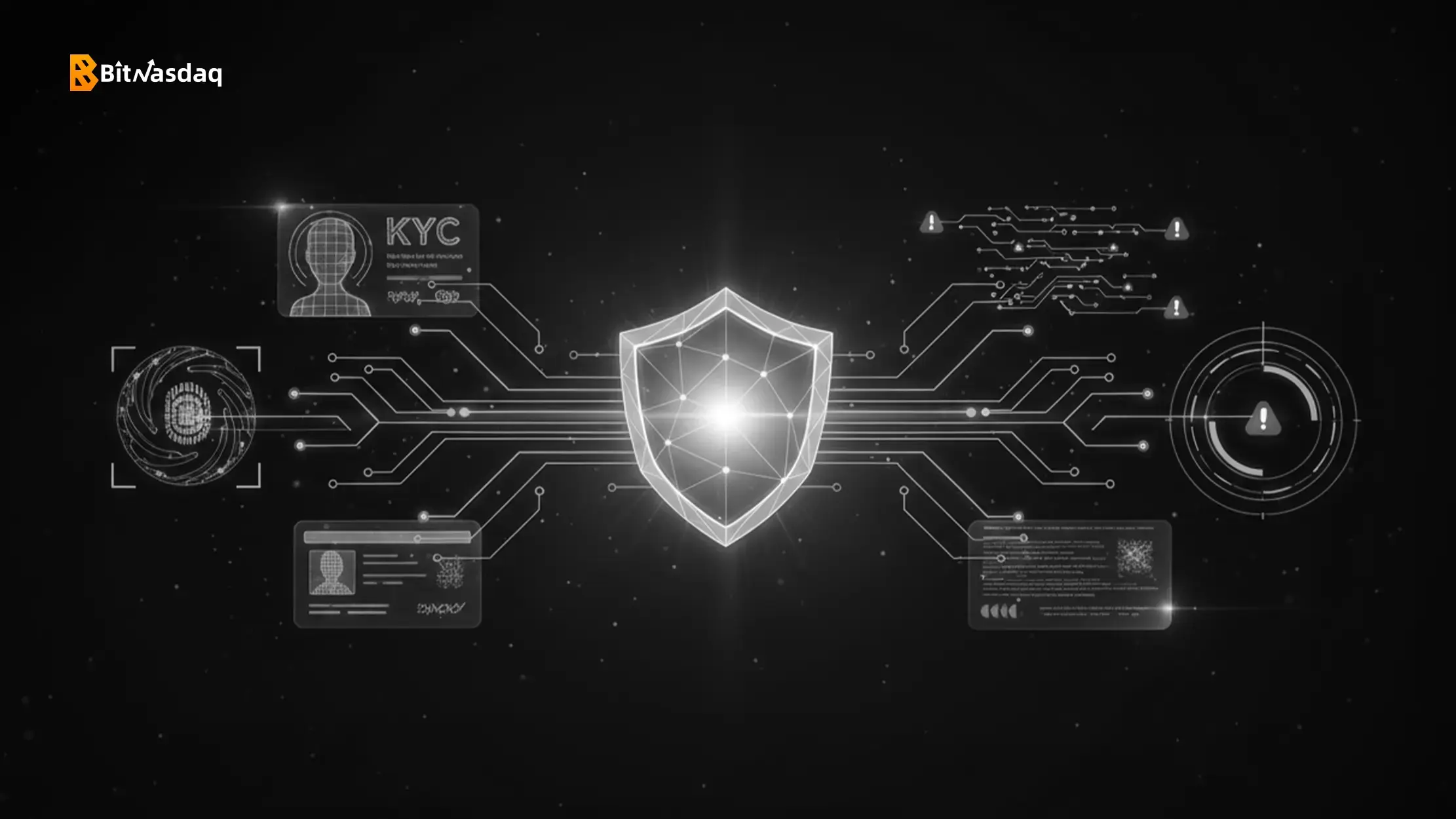
The process of KYC is quite simple and requires a few verification steps to be performed by the user:
Sign Up on BitNasdaq
Set a username and a password by providing basic details like name, contact number, email, and a password. At this point, BitNasdaq only knows what you claim to be.
Complete Primary Verification
This step requires you to bind your contact number and email address through a code sent by BitNasdaq. From now on, BitNasdaq will only recognize you through these contacts.
Complete KYC Verification
This step requires you to provide first name, last name, country of residence, date of birth, and gender.
Select Identification Document
Select your ID type from the available options (passport, ID card, residence permit, driver's license) and enter your ID number with a clear image of the document.
The platform will verify the validity of the document and check if it is consistent with the information you have provided manually
Facial Recognition
Perform facial recognition by taking a clear picture and uploading it. It might be a selfie or a live video capture.
This step prevents stolen IDs from making new accounts. BitNasdaq will verify if your face matches your ID and if you're a real person
AML Screening
At this point, BitNasdaq will review your application, and once approved, your profile will be run through AML databases and global watchlists (terror financing lists, sanction lists, Interpol notices, politically exposed persons, etc) to see if there are any signs of risks.
Transaction Monitoring
This is an ongoing process where AML continues to monitor large fund flows, transactions through blacklisted wallets, or suspicious activity. Any suspicious activity is flagged by BitNasdaq and reviewed before it moves forward.
KYC Updating
BitNasdaq requires its users to update KYC periodically if their documents expire, their permanent address changes, etc., to maintain compliant records.
Why KYC and AML Matter to BitNasdaq
KYC and AML are global compliance standards that not only ensure the traders are real and verified, but also reduce fraud and scam risks. They enable transparency, making it easier to withdraw or deposit funds. These regulatory procedures help exchanges offer advanced trading features like P2P, Margin futures, Copy Trading, etc. Offering healthier liquidity, stable markets, and trust, complying with these regulations secures long-term operational stability for exchanges.
Pairing these standards with AI also results in faster onboarding of new users, 24/7 monitoring, delivering accurate risk assessments, and finally, also helps exchanges grow smoothly and securely.
Join BitNasdaq now to experience a secure and highly regulated crypto ecosystem.
Click here to learn KYC Steps visually.
Frequently Asked Questions (FAQs)
Is KYC mandatory if I register on BitNasdaq?
Yes, KYC is mandatory as BitNasdaq follows international standards of compliance, so users must complete KYC to access full features. KYC protects both the users and the exchange from fraud, scams, or illegitimate activities.
What documents are required for KYC Verification?
For KYC verification, you will need:
A valid contact number and email address
A valid government-issued ID (Passport, ID card, or Driver's license)
Facial Recognition
Proof of address
Will KYC and AML affect my trading?
Yes, KYC and AML both will affect your trading portfolio in a positive way. Verified accounts enjoy full access to trading features, withdrawals, customer support, and protection from scams, frauds, or criminal activities.
 Share
Share
 Like
Like
 Dislike

